

W.J. Astore
Oliver Anthony Strikes A Chord with “Rich Men North of Richmond”
A working-class song has gone viral. Oliver Anthony’s “Rich Men North of Richmond” is a lament for the state of the working classes in America: long hours, low pay, dead-end jobs, even as “the rich men north of Richmond” make the real money on the backs of the working poor.
Here’s a link to the video, which just screams sincerity:
Naturally, his song is drawing attention—and criticism. NBC News calls it a “conservative anthem” because I guess there are no liberals or progressives or even moderates who are working class and who can relate to the song. Also, NBC is at pains to criticize Anthony for making a quick reference to obese welfare moochers, which is fair enough, I suppose, though it’s not the point of his song.
This is what Anthony had to say (also at NBC News): In an introduction videouploaded to his YouTube channel a day before the song’s release, Anthony said that his political views tend to be “pretty dead center” and that both sides “serve the same master.”
He said he used to work 12-hour shifts six days a week and today continues to meet laborers struggling to make ends meet.
“People are just sick and tired of being sick and tired,” he said. “So yeah, I want to be a voice for those people.”
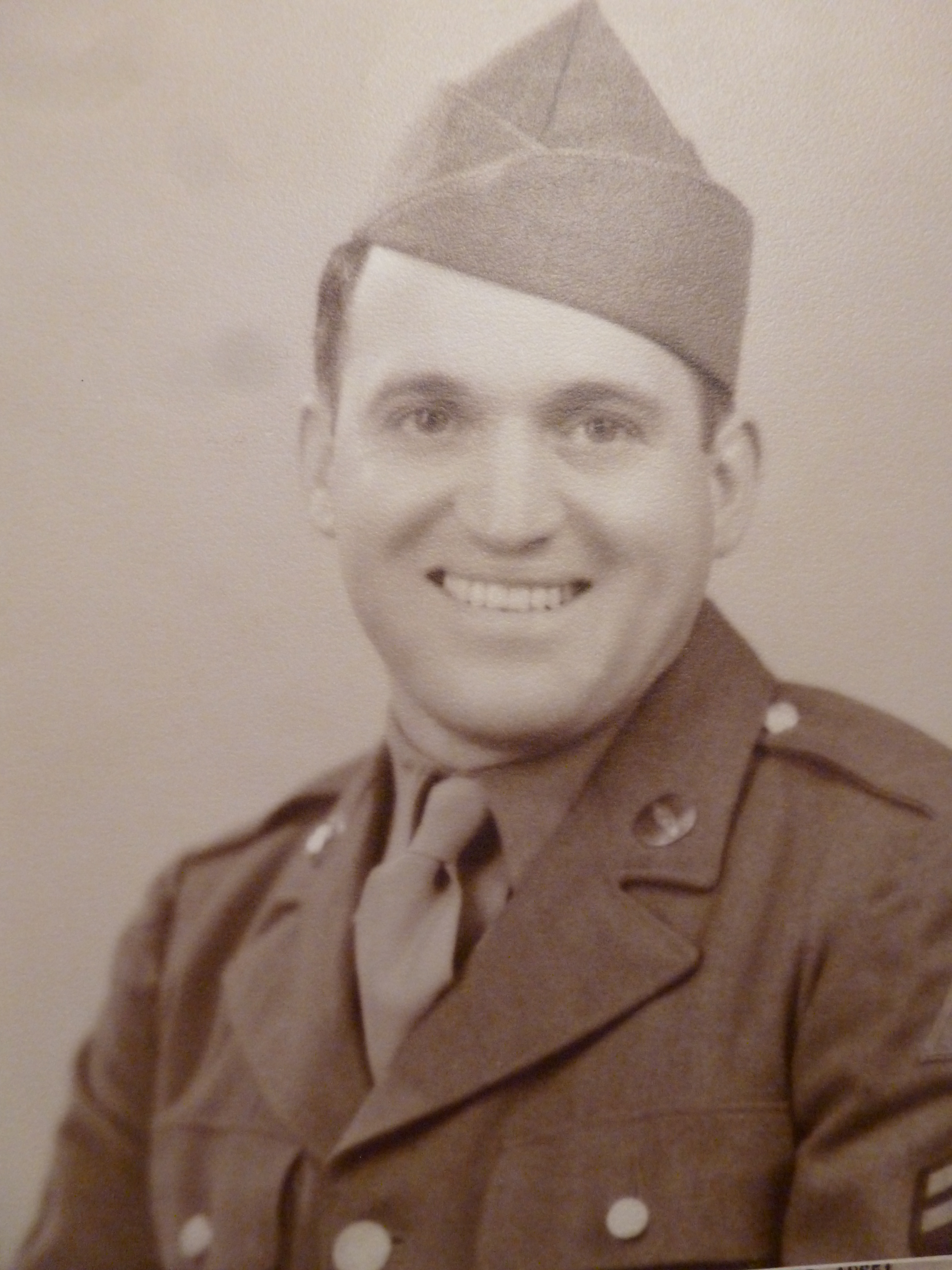
Amen to that, Mr. Anthony. My father knew his pain. Before he became a firefighter, my dad worked in factories doing hard physical work. He told me the harder the work, generally the lower the pay you earn in America. So-called “shit” jobs like cleaning motel rooms, being a waiter or waitress, digging ditches and working as a “common” laborer, are looked down upon despite how tough and necessary they are.
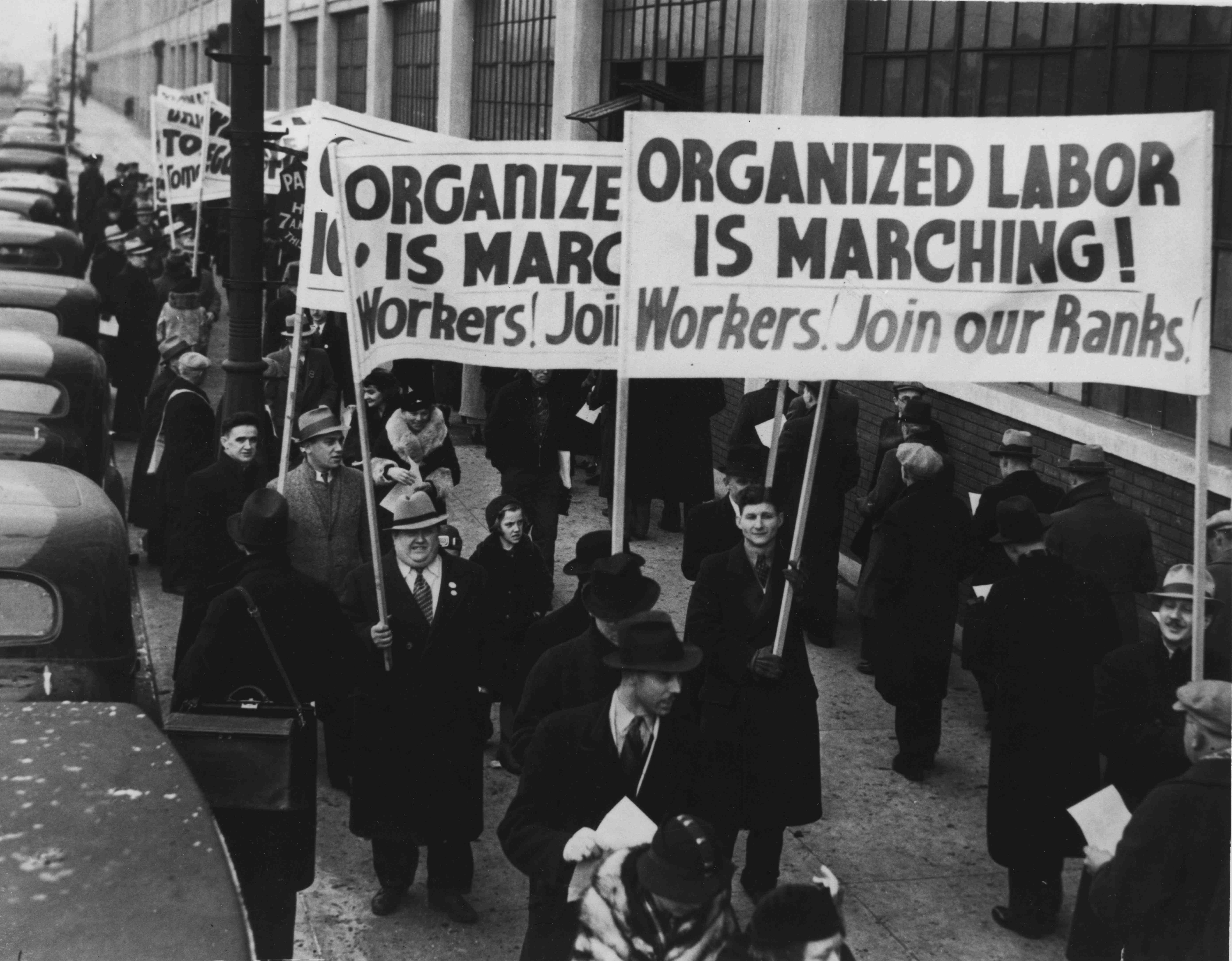
As I said, my dad knew the score, as he recounted in a journal he left me about his life. One time, he organized with a few other men for a pay raise at the factory. Here’s what my dad had to say about that experience:
A five cent an hour pay raise
It seems that Mike Calabrese on his own asked Harry Gilson for a pay raise and he was refused. Mike decided to organize the men members and go down in a group. In our group he got ten men to approach Harry G. for a raise. But when it was time to “bell the cat” only three fellows went to see Harry. Well Mike said he couldn’t join the group because he had already tried to get a raise. I knew I was being used but I was entitled to a raise. Well Harry said to me, “What can I do for you men?” So I said to Harry: 1) Living costs were going up; 2) We deserved a raise. So Harry said, “How much?” and I said ten cents an hour would be a fair raise. So he said I’ll give you a nickel an hour raise and later you’ll get the other nickel. We agreed. So, I asked Harry will everyone get a raise and he replied, “Only the ones that I think deserve it.”
Well a month later I was drinking water at the bubbler [water fountain] and Harry saw me and said what a hard job they had to get the money to pay our raises. Well, Willie, Harry Gilson and his brother Sam and their two other Italian brother partners all died millionaires. No other truer saying than, “That the rich have no sympathy or use for the poor.”
My dad’s experience was roughly 80 years ago, but his sentiment is echoed by Oliver Anthony’s song today. This has nothing to do with conservatism and everything to do with giving workers a fair shake in America. It’s not a left-right, Democrat-Republican, issue: it’s a class issue, a moral issue, and a matter of life and death for so many people struggling across America.
We need more people to raise their voices, whether in song like Oliver Anthony or for pay raises like my dad.


 Bracing Views