And Perhaps a Golden Ticket to Nuclear War
JUL 29, 2026
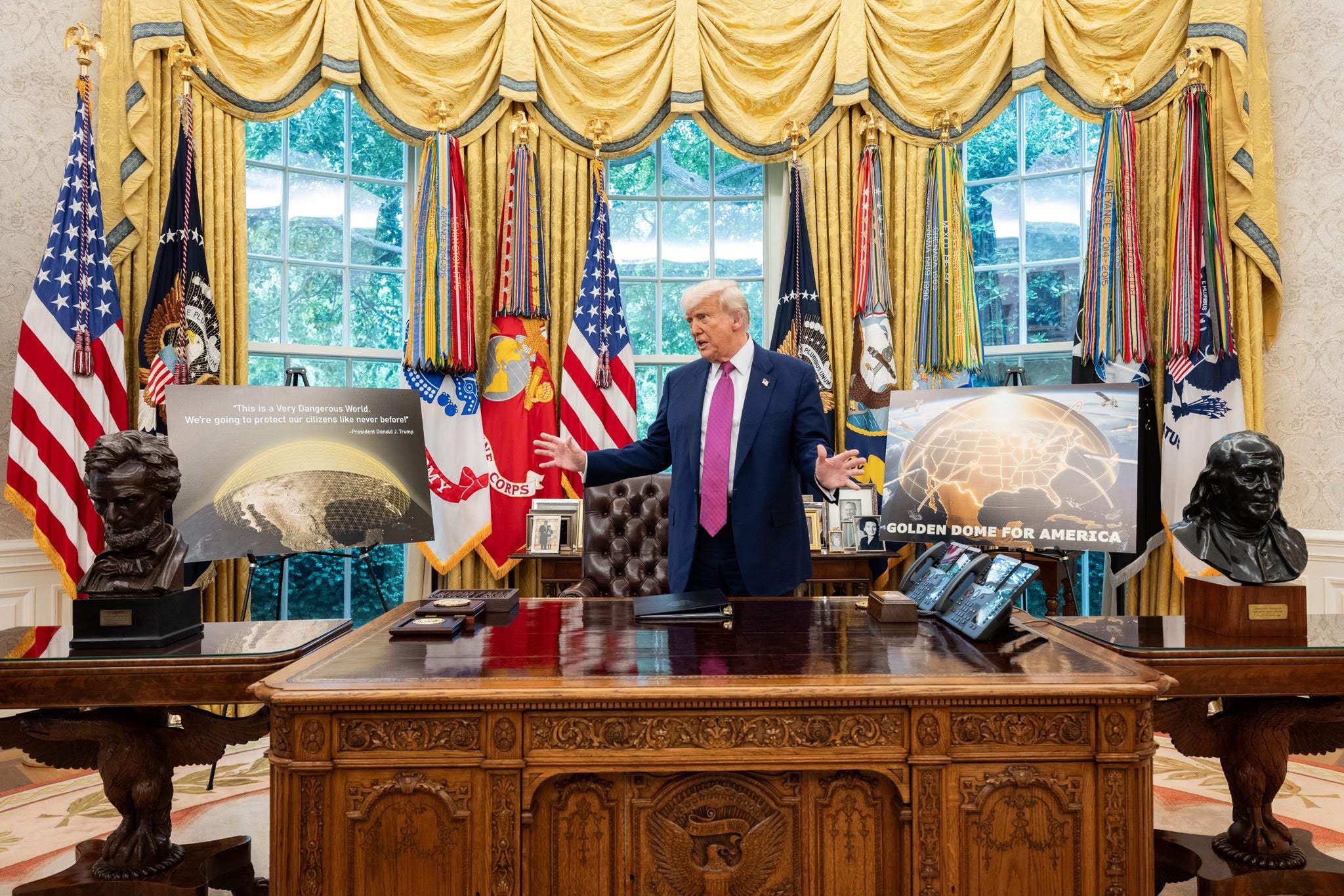
Golden Dome, President Trump’s ambitious dangerously escalatory missile defense shield, may cost Americans as much as $18 billion in the next fiscal year. According to my AI friends (perhaps soon to be running Golden Dome under the name of Skynet), here’s where the bulk of the money is slated to go:
- Missile Warning and Tracking: $6.8 billion to develop Low Earth Orbit (LEO) and Medium Earth Orbit (MEO) satellite constellations.
- Space-Based Interceptors (SBIs): $3.2 billion for initial contracts with defense developers like Lockheed Martin, Northrop Grumman, and Anduril Industries.
- Space Domain Awareness: $1.6 billion specifically to monitor and safeguard the dome’s own network from adversarial threats.
- Personnel Expansion: Funding to hire 506 full-time civilian employees to accelerate homeland missile defense development.
What scares me the most about Golden Dome is that it might eventually work — somewhat. Thus it could weaken deterrence and increase the chances of a nuclear exchange.
Allow me to explain. In theory, the U.S. could attack a weaker nuclear state with an incapacitating “first strike,” with Golden Dome being used to intercept the few missiles/warheads remaining to the adversary. This scenario, more than possible under leaders like Trump and Hegseth, might force a cornered adversary to launch everything they have in an all-out strike on the U.S., with the goal of overwhelming whatever system is fielded under the Golden Dome moniker.
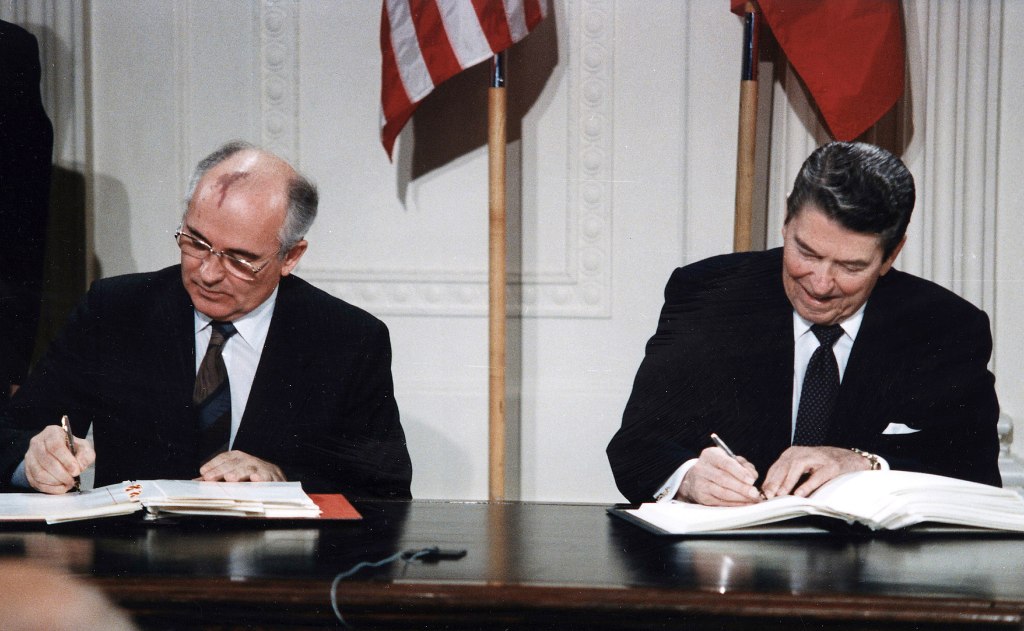
Fear of scenarios such as this led to the ABM Treaty that greatly restricted the deployment of missile defense interceptors. The policy of MAD, or mutually assured destruction, was kept in place as a form of deterrence. It’s grotesque but it worked. What would happen if one side with nukes had to worry far less about a nuclear attack because they possessed a shield or dome of sorts?
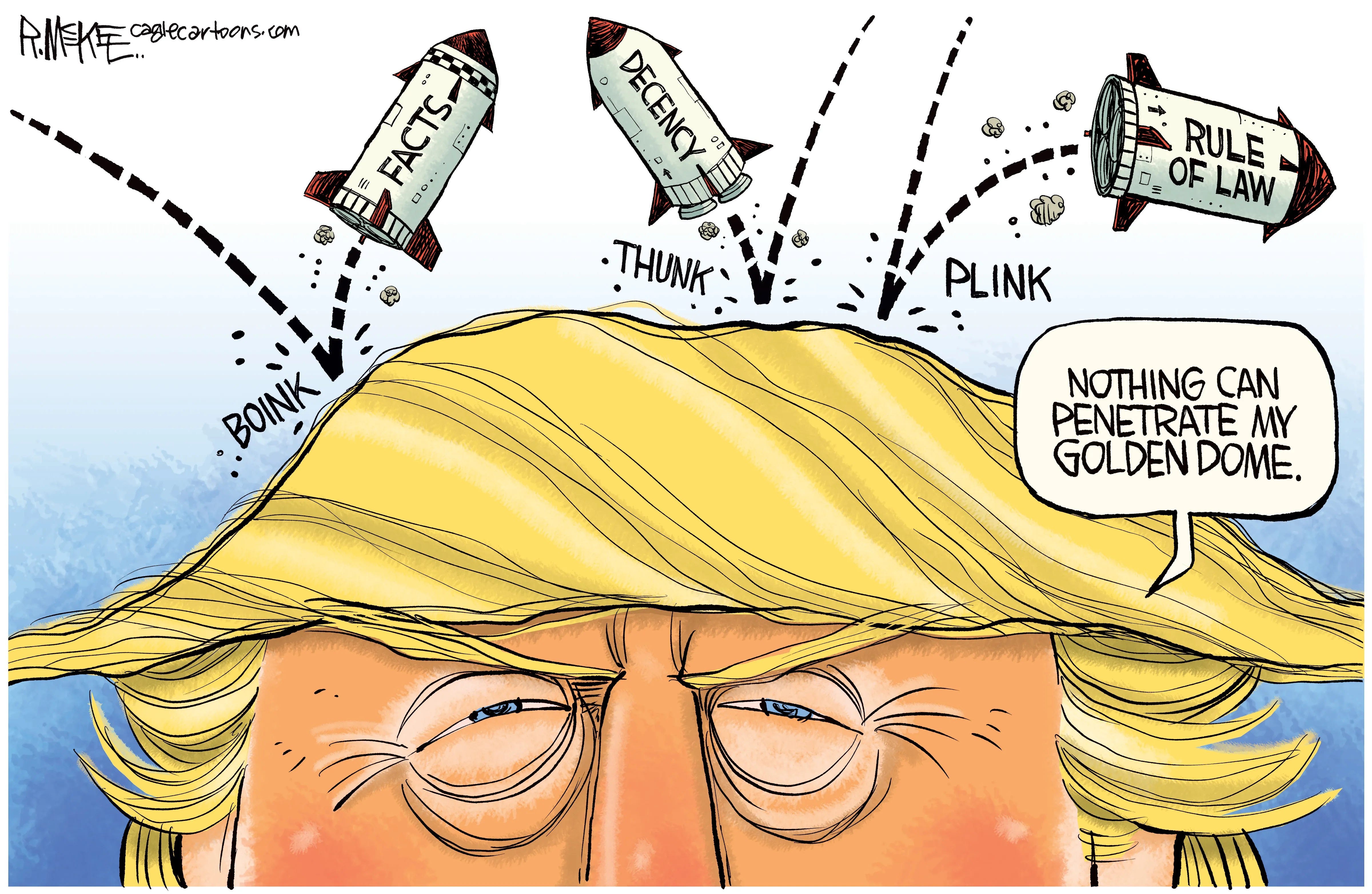
It’s certainly possible Golden Dome will never prove that effective while wasting colossal sums of money. Indeed, that might be the “best case” scenario. It’s also possible it could prove moderately effective, emboldening a nuclear power in possession of the same to threaten others, even as other nuclear powers, China for example, expand their arsenals and plans for a large-scale first strike.
The sensible way ahead is to scrap this ultra-expensive “dome” and to work toward negotiated reductions in nuclear weapons globally. You don’t need to intercept missiles and warheads if they’re never built.