

W.J. Astore
When I was a teenager, America’s two biggest allies in the Middle East were Israel and Iran. We considered the Shah of Iran to be a strong ally in the region, and sold him some of our most advanced weaponry, including the F-14 Tomcat fighter with its powerful radar as well as HAWK surface-to-air missiles. Students from Iran attended American colleges and universities. Heck, we even helped Iran with its fledgling nuclear power industry.
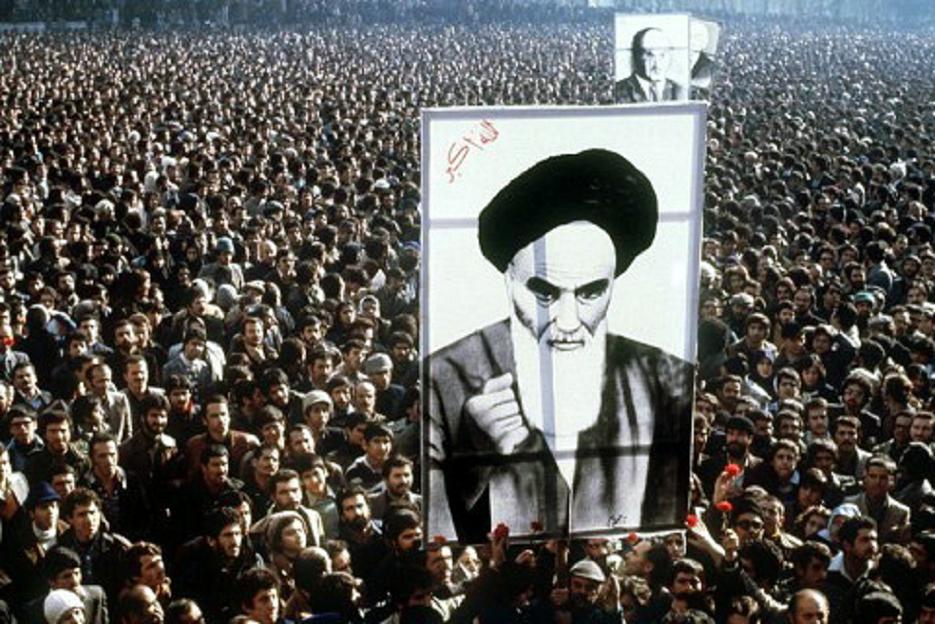
All that changed, of course, with the Islamic revolution in Iran and the Iranian hostage crisis. America became “The Great Satan,” American flags were burned, and young Americans were told we had been betrayed. We took to wearing t-shirts that read “Put a hola in the Ayatollah,” featuring a head shot of the Ayatollah Khomeini with a sniper’s cross hair superimposed on it. (I should know: I owned and wore that very t-shirt.)
That kind of estrangement, bordering on the unhinged, is what is changing for the better because of the nuclear deal with Iran, notes Peter Van Buren at TomDispatch.com. In Van Buren’s words:
Here’s what actually matters most [about the Iran nuclear deal]: at a crucial moment and without a shot being fired, the United States and Iran have come to a turning point away from an era of outright hostility. The nuclear accord binds the two nations to years of engagement and leaves the door open to a far fuller relationship.
Iran and the USA have pulled back from the brink of war. Sorry: No more off-key renditions by John McCain about bombing Iran. Billions of dollars saved, countless innocent lives spared. What’s to complain about?
As Van Buren notes, diplomacy, at least for the time being, was allowed to work. In his words:
It’s a breakthrough because through it the U.S. and Iran acknowledge shared interests for the first time, even as they recognize their ongoing conflicts in Syria, Yemen, and elsewhere. That’s how adversaries work together: you don’t have to make deals like the July accord with your friends. Indeed, President Obama’s description of how the deal will be implemented — based on verification, not trust — represents a precise choice of words. The reference is to President Ronald Reagan, who used the phrase “trust but verify” in 1987 when signing the Intermediate-Range Nuclear Forces Treaty with the Russians.
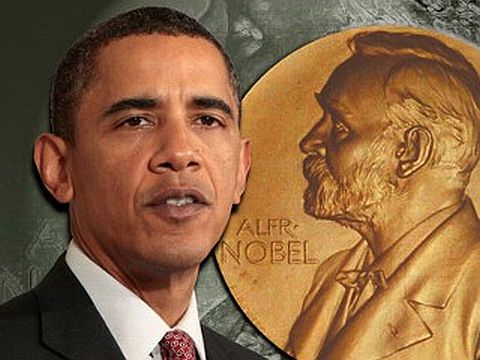
The agreement was reached the old-school way, by sitting down at a table over many months and negotiating. Diplomats consulted experts. Men and women in suits, not in uniform, did most of the talking. The process, perhaps unfamiliar to a post-9/11 generation raised on the machismo of “you’re either with us or against us,” is called compromise. It’s an essential part of a skill that is increasingly unfamiliar to Americans: diplomacy. The goal is not to defeat an enemy, find quick fixes, solve every bilateral issue, or even gain the release of the four Americans held in Iran. The goal is to achieve a mutually agreeable resolution to a specific problem. Such deft statecraft demonstrates the sort of foreign policy dexterity American voters have seldom seen exercised since Barack Obama was awarded the 2009 Nobel Peace Prize (Cuba being the sole exception).
Of course, no good deed goes unpunished. Republicans, having no other viable path to power, reflexively attack the deal even before they’ve read it. Impostors like Mike Huckabee actually suggest the deal is leading Jews to the door of the ovens, an outrageously inflammatory and irresponsible reference to the Nazi Holocaust against the Jews in World War II. Such rhetoric, wildly exaggerated, conveniently obscures the real fears of Israel and Saudi Arabia.
And what are those fears? Here’s Van Buren again to explain:
No, what fundamentally worries the Israelis and the Saudis is that Iran will rejoin the community of nations as a diplomatic and trading partner of the United States, Asia, and Europe. Embarking on a diplomatic offensive in the wake of its nuclear deal, Iranian officials assured fellow Muslim countries in the region that they hoped the accord would pave the way for greater cooperation. American policy in the Persian Gulf, once reliably focused only on its own security and energy needs, may (finally) start to line up with an increasingly multifaceted Eurasian reality. A powerful Iran is indeed a threat to the status quo — hence the upset in Tel Aviv and Riyadh — just not a military one. Real power in the twenty-first century, short of total war, rests with money.
He nails it. After all, what’s the worse that can happen? Let’s say Iran cheats and starts to develop a nuclear weapon. In that case, the U.S. will have broad support in attacking Iran to eliminate that capability. Meanwhile, the thousands of nuclear warheads that the U.S. possesses, and the hundreds of nuclear bombs the Israelis possess, should serve as a sufficient deterrent against Iranian nuclear designs (assuming the Iranians ever seek to fulfill them).
After so many failed military interventions in the Middle East, after so much death and destruction, isn’t it high time the world community tried diplomacy and engagement? I’d say so. And this from a former teenager who wore a t-shirt advocating the assassination of Iran’s revolutionary leader.

 Bracing Views