

W.J. Astore
I’m sure glad atrocity never happened here
It’s depressingly true that no nations or peoples are immune from committing atrocities. History is filled with them. Atrocities, that is.
Did Hamas commit atrocities, most notably on 10/7? Yes. Has Israel committed atrocities in Gaza since those terror attacks? Yes.
Any sane human is outraged by atrocious behavior. What is particularly galling about Israel’s atrocities is that the U.S. government is enabling them while claiming Israel and the U.S. are the good guys—and that, however many innocents die due to U.S. and Israeli bombs, bullets, and missiles, it’s all the fault of Hamas.
Even serial killers sometimes know they are monsters. We fancy ourselves as innocents.
Why? Because America is a “good” country. Good thing we never promoted slavery and participated in massacres of Native Americans. Or the mass imprisonment of Japanese-Americans in concentration camps during World War II. Or widespread misogyny. (Remember that women weren’t even allowed to vote in presidential elections until 1920.). Good thing we’ve always embraced Jews, never discriminating against them or turning desperate Jews away during the Holocaust.
Americans should know from our own history that “good” people can do horrific things because as a country we’ve done them ourselves.
Most Americans see Israel as an ally, a modern democracy akin to the U.S. That doesn’t mean Israel is immune from atrocious behavior; again, our own history shows that America is well capable of slaughtering millions in the name of “manifest destiny.” Back in the day, most Americans agreed we had our own “human animals,” our own savages, and that “the only good Indian is a dead one.” So, in the name of destiny, even of God, we killed the brave.
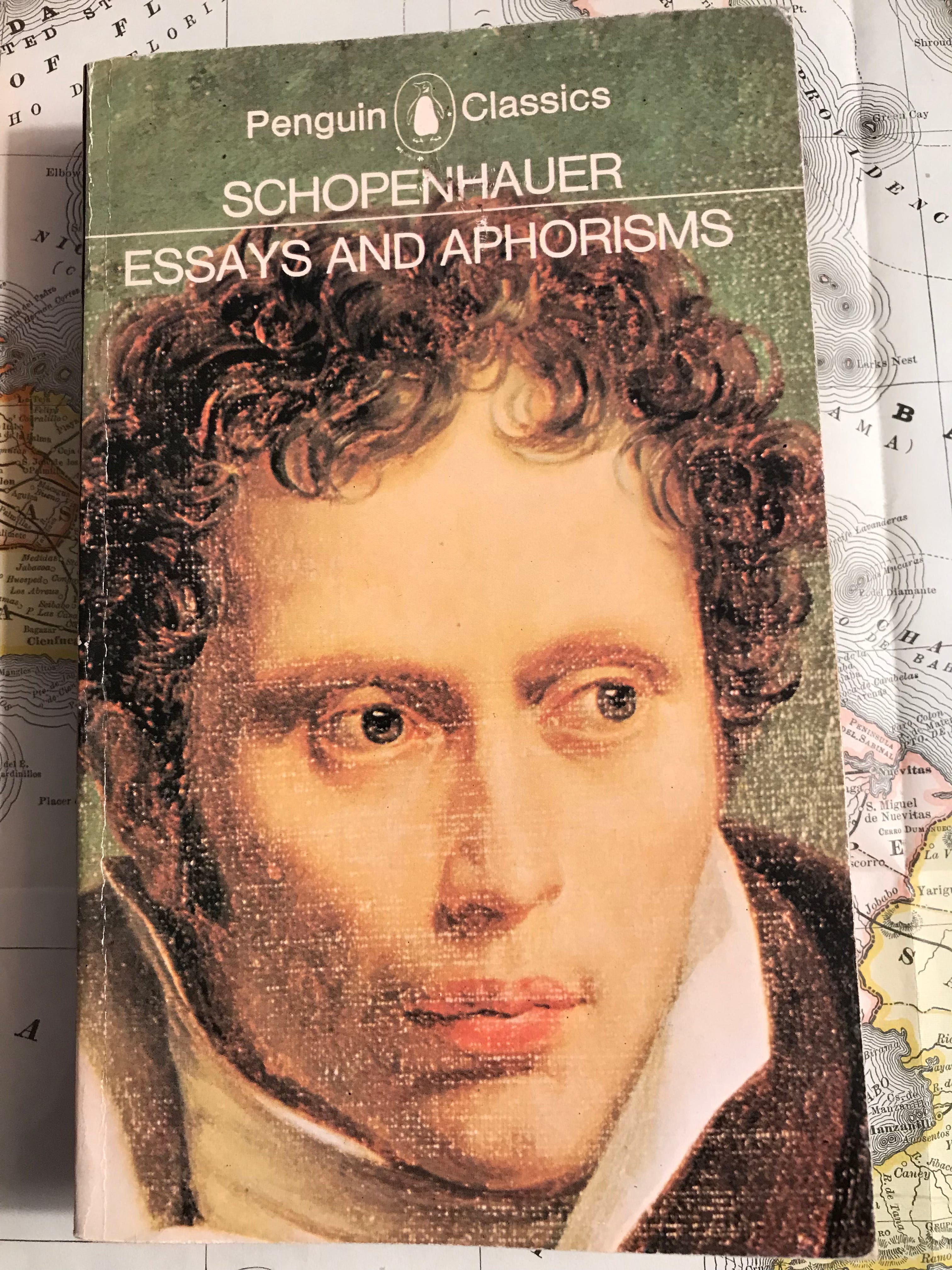
The other day, as a distraction from current events, I started reading again from Schopenhauer’s essays and aphorisms. As a European living when slavery was very much alive in antebellum America, Schopenhauer had this to say about the “pitilessness” and “cruelty” in “slave-owning states of the North American Union”:
No one can read [accounts of slavery in antebellum America] without horror, and few will not be reduced to tears: for whatever the reader of it may have heard or imagined or dreamed of the unhappy condition of the slaves, indeed of human harshness and cruelty in general, will fade into insignificance when he reads how these devils in human form, these bigoted, church-going, Sabbath-keeping scoundrels, especially the Anglican parsons among them, treat their innocent black brothers whom force and injustice have delivered into their devilish clutches. This book [on slavery in the USA] rouses one’s human feelings to such a degree of indignation that one could preach a crusade for the subjugation and punishment of the slave-owning states of North America. They are a blot on mankind.
Schopenhauer was pulling no punches, and rightly so. Yet there are still those in America who make the argument that slavery wasn’t all bad, that some slaves learned useful skills. Though I don’t hear such apologists volunteering to be slaves themselves.
If a curriculum in Florida can still put a happy face on the deep iniquity of slavery, which the U.S. eliminated (at least by law) in 1865, are we at all surprised that many can put a happy face on whatever Israel is doing in Gaza?
Ethnic cleansing? Genocide? Been there, done that. But that’s OK: “they” were savages. “We” the chosen ones had no choice. Or did we?

 Bracing Views