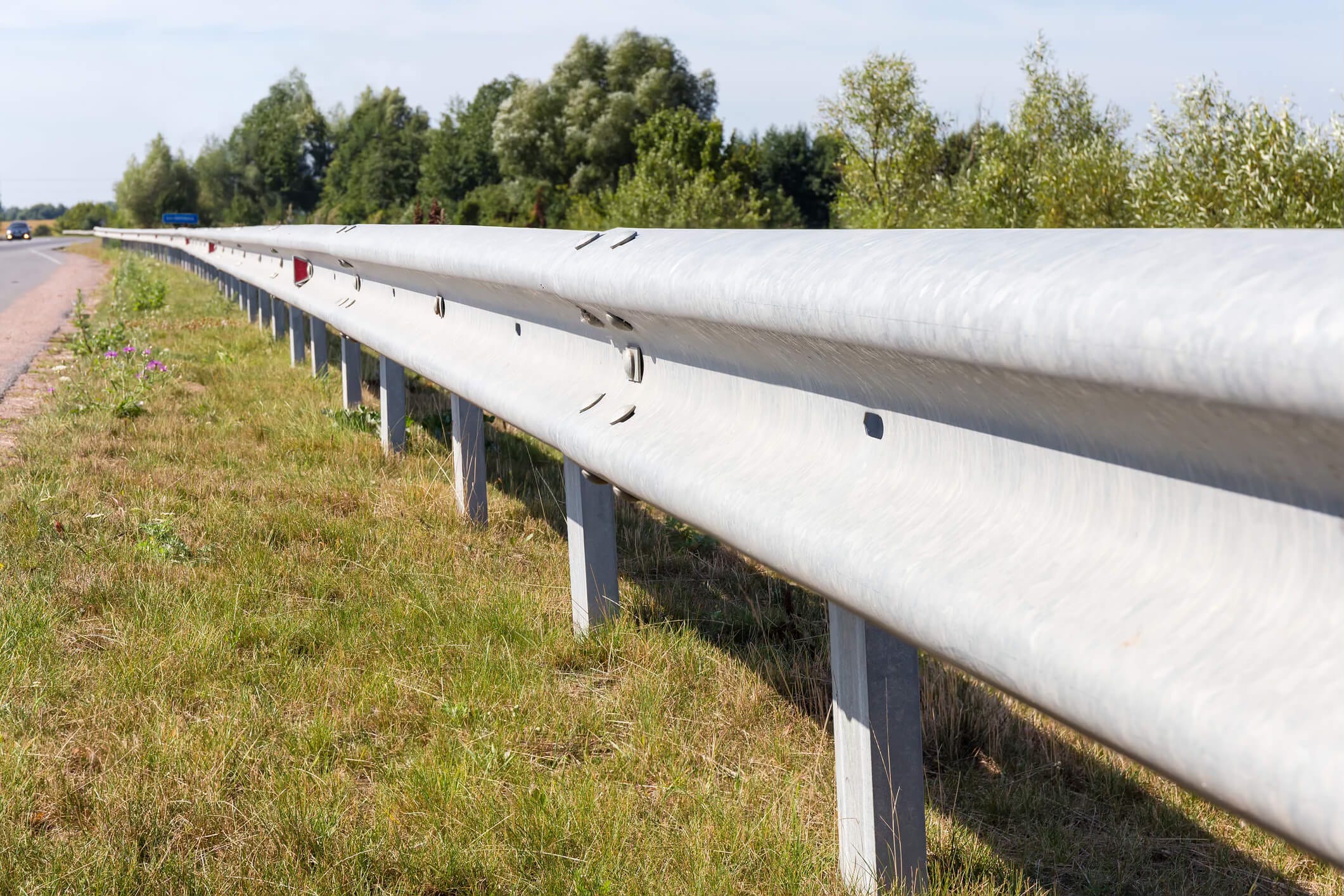
I’ve been noticing a new word of the moment: “guardrails.” President Trump is smashing the guardrails of democracy. At the same time, new guardrails are the answer to ICE murders in Minneapolis, at least according to Chuck Schumer and Hakeem Jeffries.
New guardrails will stop ICE!
If guardrails are so easy for Trump to smash, how are new ones going to restrain the power of ICE and prevent abuses?
Remember when we used to talk about laws? That you had to obey the law of the land else be prosecuted for violating it? We need clear and enforceable laws and a system that upholds them, not more “guardrails.”
I suppose “guardrail” is a metaphor that’s easily understood—they help keep us on the road, right? Yet cars and trucks do smash through them, so are they really the answer to restraining Trump and ICE?
As Stephen Semler notes here, Schumer and Jeffries promote “guardrails” for ICE even as they propose to fully fund the agency, making it easy for ICE to say, sure, we’ll respect your guardrails even as they drive their SUVs and surplus military equipment through them.
America is supposed to be a nation of laws, not guardrails. If ICE and Trump are like out-of-control trucks, no metaphorical guardrail is going to restrain them. A strong Constitutional system upheld and enforced by officials of integrity and courage, however, could and should.
When I was in high school, my friends and I would get together and play “Risk,” the game of world domination. It was an excuse to hang out, to have fun, and especially to trade insults as we rolled the dice and moved our “armies” around the board to vanquish one another.
Trump understands this mentality—the mentality of adolescent teens trading insults for fun, bonding over shared putdowns. Never did I or my friends think, however, that juvenile and puerile insults should become the foundation of politics and governance in America. That was Trump’s peculiar “genius”: he has become America’s Insulter-in-Chief.
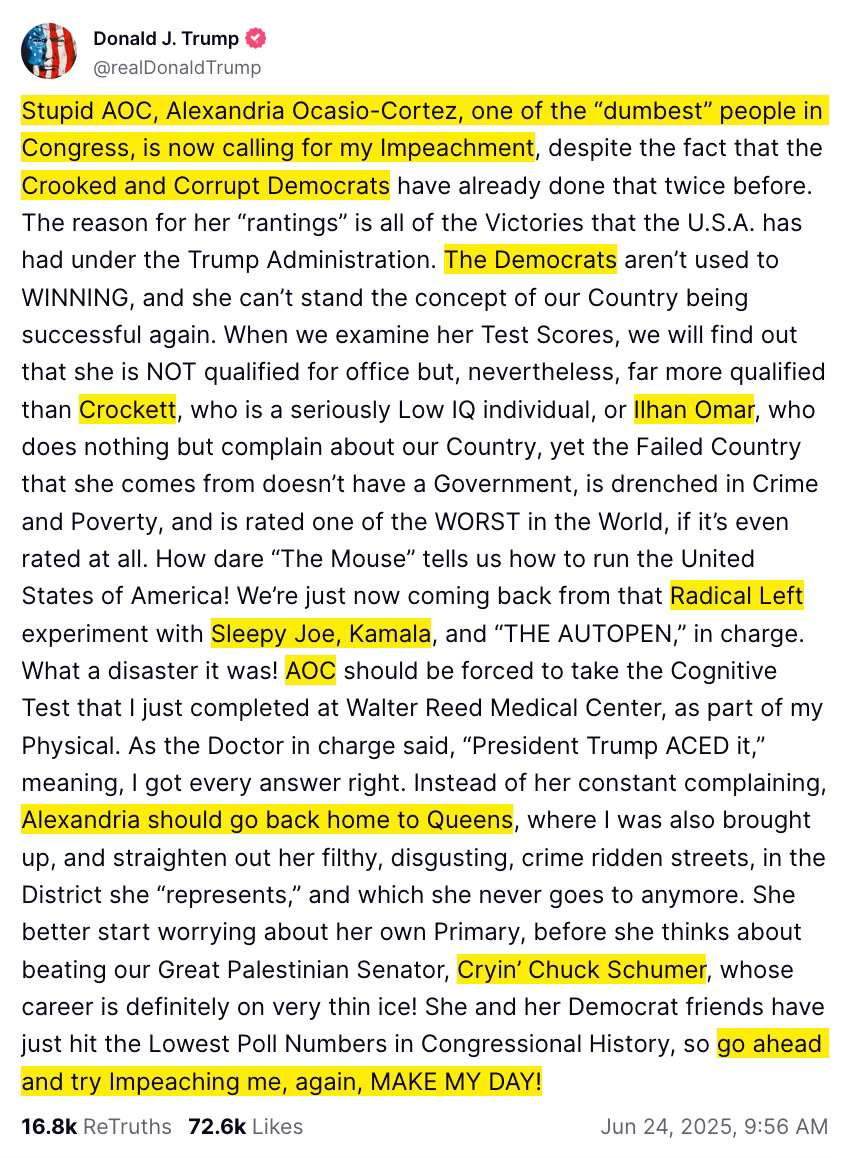
Consider this recent post from Trump’s Truth Social account:
Now, my teenage self is smiling or laughing even as I read these insults. Of course they’re outrageous, deceptive, irresponsible, juvenile, inaccurate, add your own descriptors here. Yet Trump recognizes that they work, especially with his followers, whose main objective often appears to be “owning the libs.”
To Trump, all of this is par for the course. His “genius” in 2015-16, when he first ran, was recognizing that his Republican challengers were, as we say in the military, whiskey deltas, often deserving of insults and contempt. He recognizes too in 2025 that the Democrats similarly are weak, are corrupt, and therefore targets of opportunity for the most withering insults, no matter how exaggerated.
Predictably, more than a few of his insults are patently absurd. Israel has no bigger champion than Chuck Schumer, yet Trump labels him as a “Great Palestinian Senator.” Absurd as that is, it’s a reminder to Chuck to get back in line, to continue kowtowing to Israel, which, of course, he doesn’t need much reminding to do.
Best of all, perhaps, is Trump’s reference to Dirty Harry’s “Make My Day!” tagline, which Ronald Reagan also employed. Again, we as teenagers were fond of quoting our favorite lines from various Clint Eastwood movies, and I can still recite many from memory. (“Do I feel lucky? Well, do ya, punk?”)
Trump’s insults resonate in part because America’s so-called best and brightest have so often failed or betrayed the working classes or sold themselves out to the highest bidder. And most everyone deserves to be taken down a peg or two now and again. But, to state the obvious, there should be something more to our political scene than insults and name-calling.
Too often, U.S. politics and foreign affairs today resemble a bunch of 16-year-olds ragging on and insulting each other while hatching plots for world dominance. It might make for a fun “Risk” game, but it doesn’t make for a healthy world.
Give me five minutes, and I can tell you exactly what Bernie Sanders believes in. Single-payer health care for all. A $15 minimum wage. Higher taxes on the richest Americans. College education that doesn’t bankrupt families and leave students with crushing debt. Criminal justice reform. Investment in infrastructure and renewable energy. He gives specifics, and he’s walked a principled walk for decades.
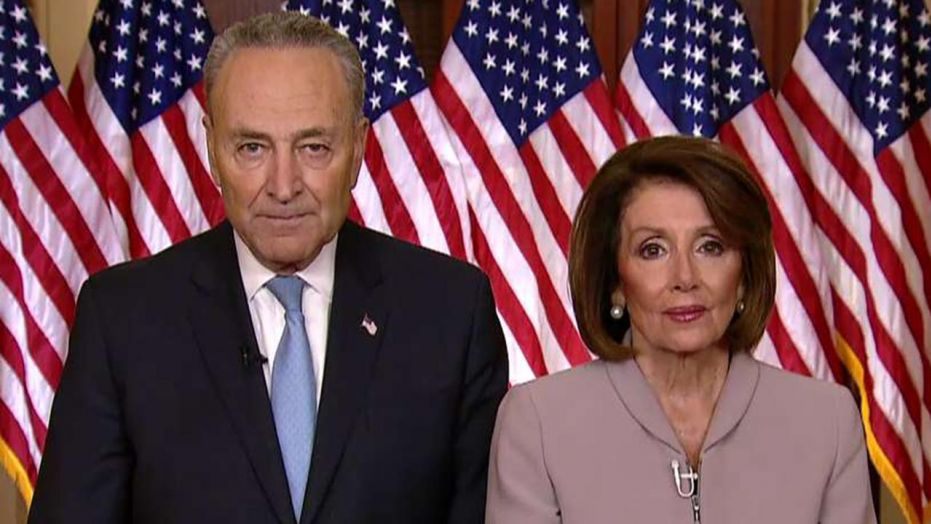
But what does the Democratic Partly leadership believe in? As this article at Truthdig put it, “Nancy Pelosi Believes In Nothing.” Of course, she does believe in something: her own power and privilege, which she seeks to maintain and expand. But principles like those held by Bernie Sanders? Forget about it.
I’ve been reading Matt Taibbi’s “The Great Derangement,” a terrific book that came out in 2008, and Taibbi nails it in this passage (pages 243-4):
The Democrats’ error was in believing that people wouldn’t notice this basic truth [that the party’s ideology is driven by power and nothing more] about their priorities. They were wrong on that score. In fact, a Quinnipiac poll taken around that time [2007] found the approval rating of Congress had fallen to 23 percent. Other polls saw the number plummet to the teens. The rating of the Democratic Congress was even lower than [George W.] Bush’s, and it was not hard to see why. Bush was wrong and insane, but he stood for something. It was a fucked-up something, but it was something. The Democrats stood for nothing; they viewed their own constituents as problems to be handled, and even casual voters were beginning to see this.
If you substitute Trump’s name for Bush’s in the above quotation, it makes even more sense. “[Trump] was wrong and insane, but he stood for something. It was a fucked-up something, but it was something.”
This is the biggest issue for corporate Democrats: What do you stand for? For so many in the establishment, what they stand for is themselves. The perpetuation of their own power and privilege. This is the biggest reason why Hillary Clinton lost in 2016. It was always all about her.
Another quotation from Matt Taibbi made me laugh out loud even as I winced at the harsh truth of it (page 190):
You don’t elect politicians to commit crimes; you elect politicians to make your crimes legal. That is the whole purpose of the racket of government.
In this case, the “you” in question are all the banks, corporations, and other vested interests that essentially buy our politicians. Until we get big money out of politics, this corruption will persist.
Bernie Sanders doesn’t take corporate money. Neither does Tulsi Gabbard. But most of the current batch of Democratic candidates for president in 2020 do take money from big corporate and financial donors. And that should tell you what they believe in: their own power and privilege, and little else.
Speaking of Bernie Sanders, I recently read a depressing article in the Nation by Eric Alterman who argued Bernie can’t win in 2020. Why? Supposedly because Americans won’t elect a socialist, and also because Trump and the Republican attack machine will convince Americans he’s simply too radical.
WTF? Americans are desperate for leaders who believe in something rather than nothing. That’s why Trump won in 2016. Again, in the spirit of Taibbi, Trump may be batshit crazy, but he does take a stand, e.g. “Build the wall.” The best way to defeat Trump in 2020 is to go bold: to nominate a candidate with strong core beliefs. A candidate who connects with young and old and who inspires enthusiastic participation. That’s Bernie.
But perhaps Jimmy Dore, the comedian/political commentator, is right: establishment Democrats like Pelosi would rather defeat Progressives like Bernie Sanders than win the presidential election against Trump in 2020. Because if Trump wins, they can continue to serve (and profit from) corporate interests while posing as being anti-Trump, i.e. they can continue life as they know it, with all the power and privilege that comes with it.
As my wife quipped today, “They don’t let their beliefs get in their way, do they?” Which is another way of saying they really have no beliefs at all.


 Bracing Views